How we use AI
in our studio.
I build human-led brands. On my work page it says that vision can’t be automated, and I mean it. Strategy, concept, creative direction; that is me, and it stays me.
But I would be lying if I told you this studio works the way it did three years ago. AI has entered my process. Not as a designer. As the fastest production hand I have ever worked with. This page is an honest look at where I use it, where I refuse to, and which tools made the cut.
Where AI earns its place
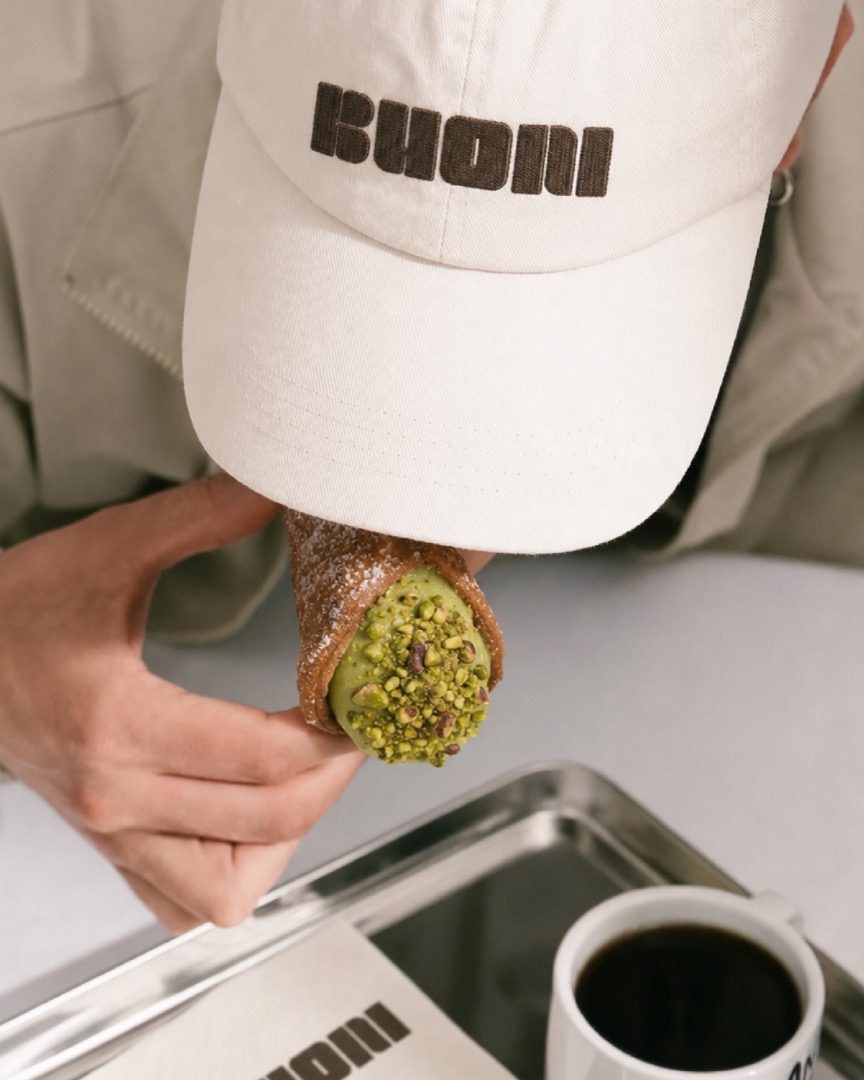
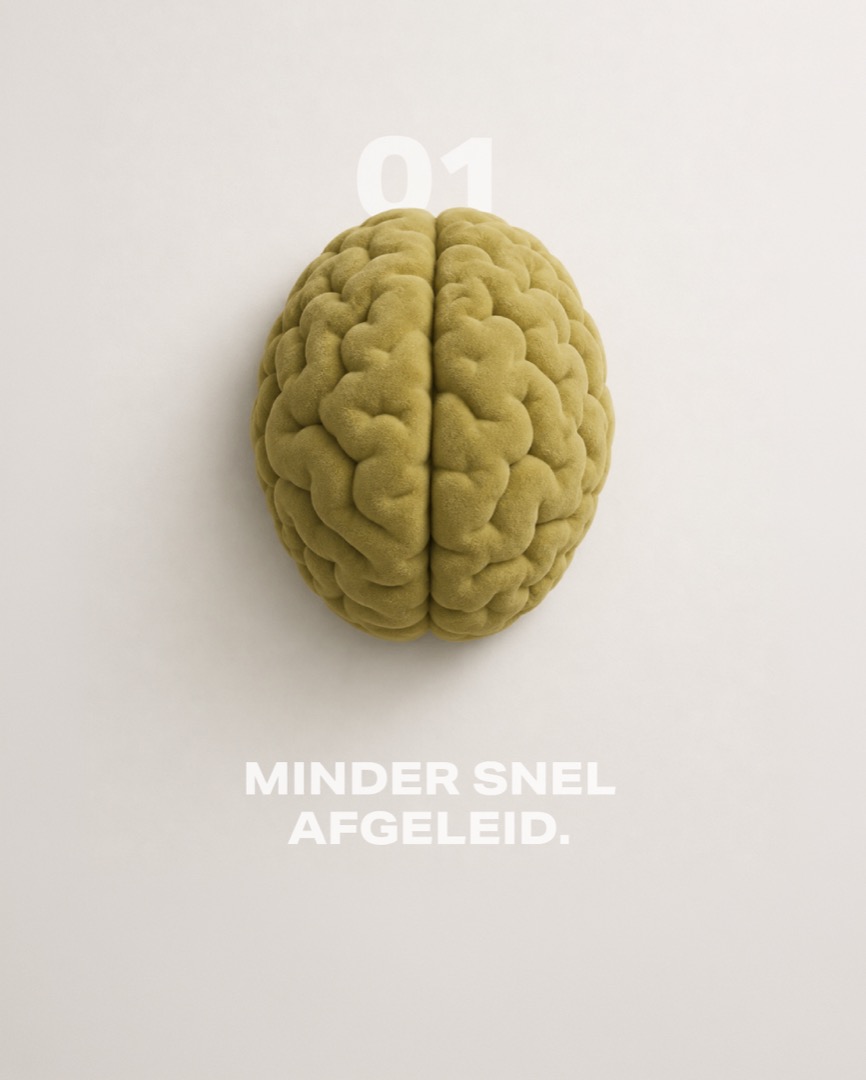
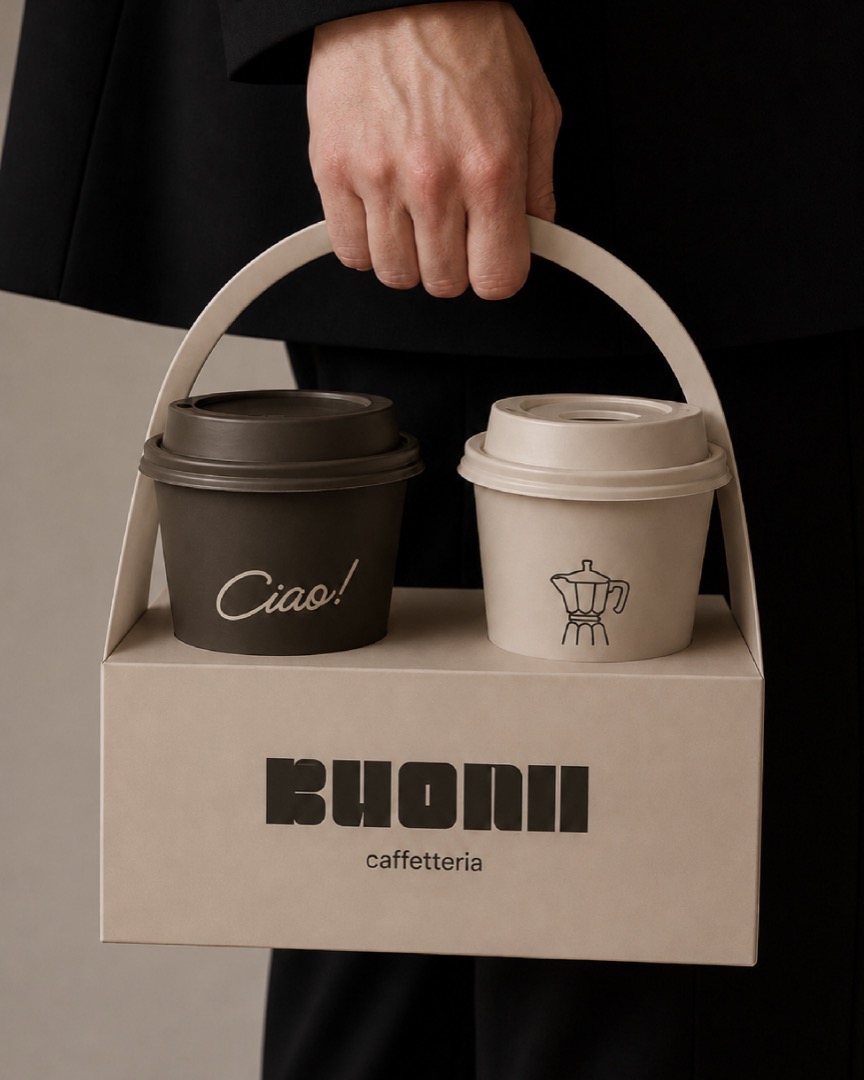
Exploration used to be expensive. Testing five directions for a brand’s visual world meant five days of work. Or it simply didn’t happen. Today I can visualise a direction before a single euro goes into production: light, styling, composition, mood. Clients see what I see, earlier in the process, and we decide with far more confidence.
The same goes for the work around the work. Moodboards become precise instead of approximate. A concept presentation becomes something you can feel. And once a creative direction is set, AI helps me stretch one strong idea across formats without diluting it. The thinking stays slow. The making got fast.
where it never enters
AI can generate a hundred options. It cannot tell you which one is true to the brand. That judgment is the work, and it is the reason founders come to a boutique studio instead of a volume one.
the tools i trust
Working with client brands means working with material that is not mine to share. Unreleased products. Campaigns under embargo. Identities that took years to build. So my first filter for any AI tool is not output quality. It is a simpler question: where does this data go?
That is why my image work runs through HAL Creative, a European platform built on EU servers with zero data retention, fully GDPR-compliant. It brings the strongest image and video models together in one place, with a prompt builder that rewards precision, and it treats client work the way I do: as something to protect.
And because a tool is only as good as the hand that holds it, I trained properly. Through the GenAI Academy by Het AI Lokaal I learned to work with AI at a professional level: structured, repeatable, and held to the same standard as everything else that leaves this studio.
same standard, better tools
So no, AI did not replace the craft here. It removed the waiting around it.
Fewer compromises, faster exploration, and more of my hours where they belong: on the thinking that makes a brand built to last.
If you are a founder wondering what this means for your project, it means exactly what we say: Human-led. Rooted in clarity. Now simply made with sharper tools.
Want to know more? Let’s have a chat!





linde’s experience
about ai creatives:
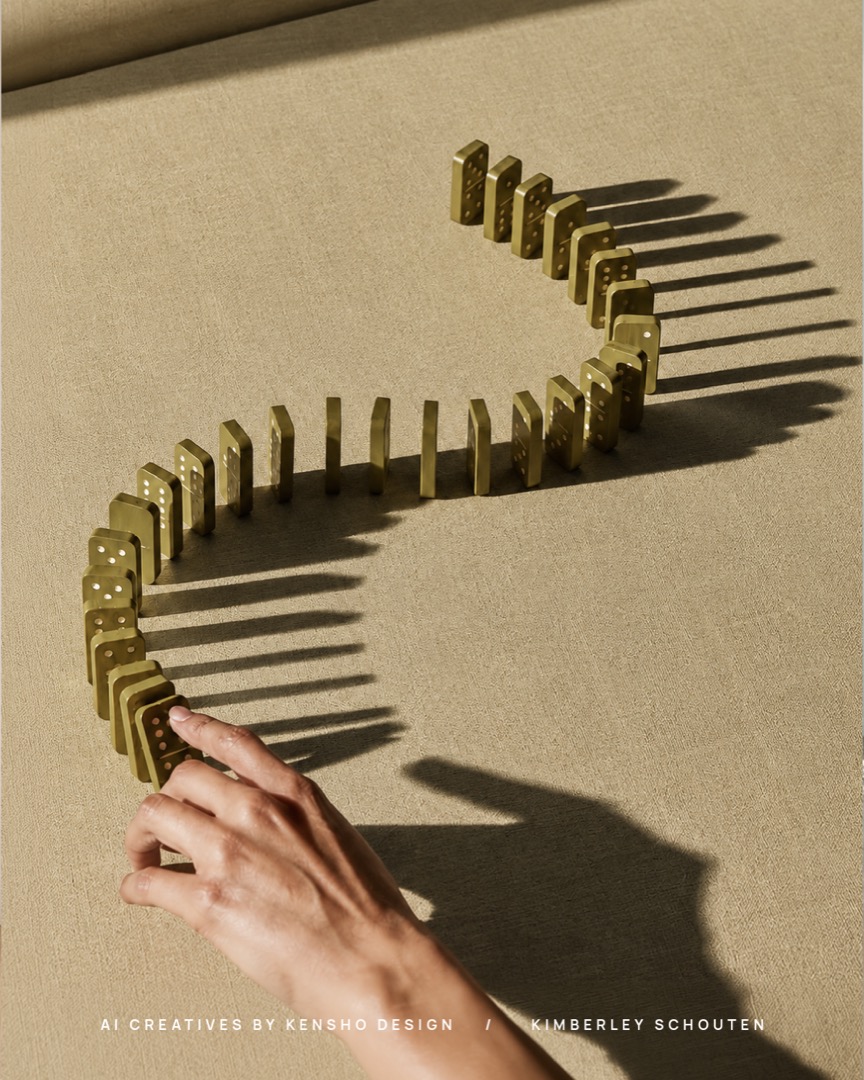
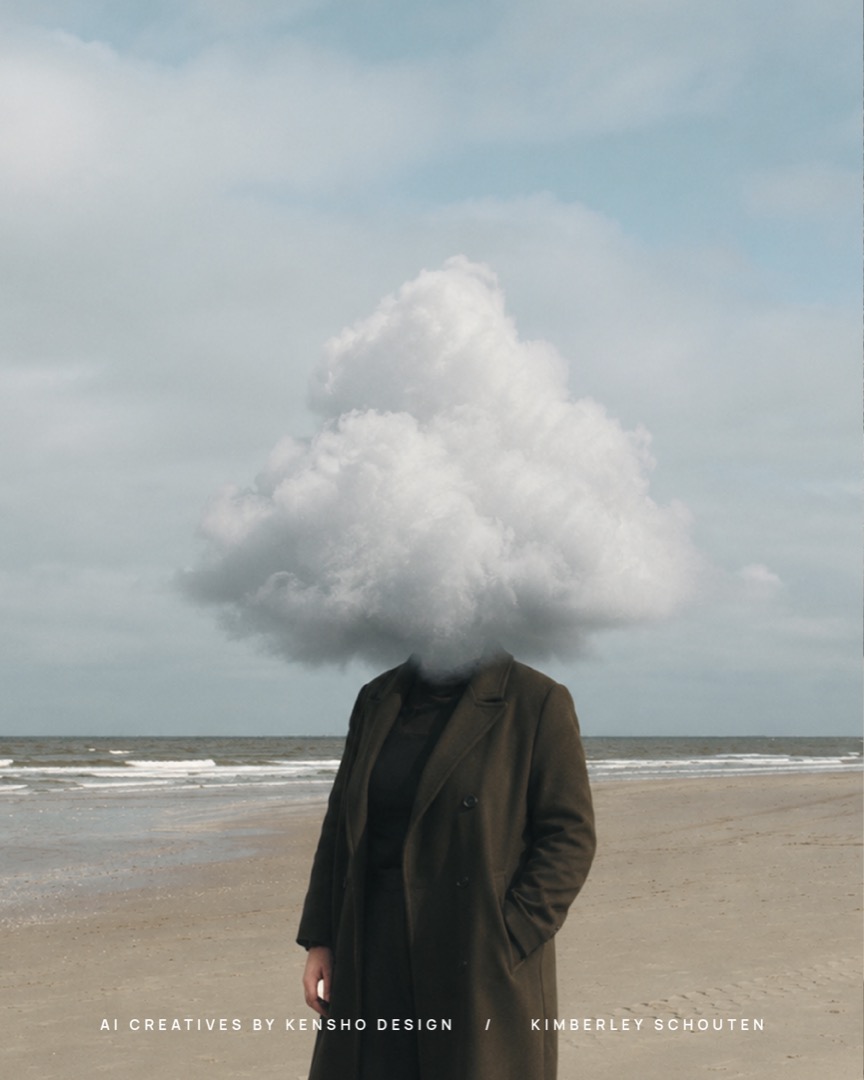
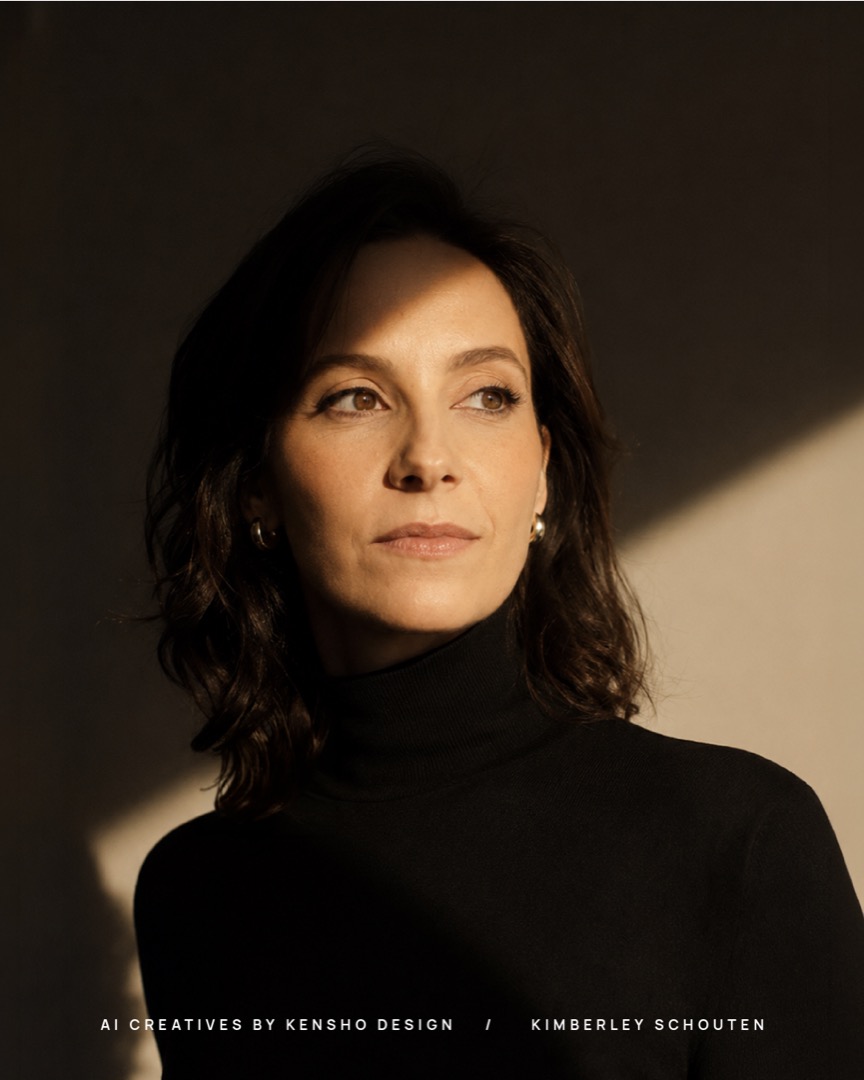
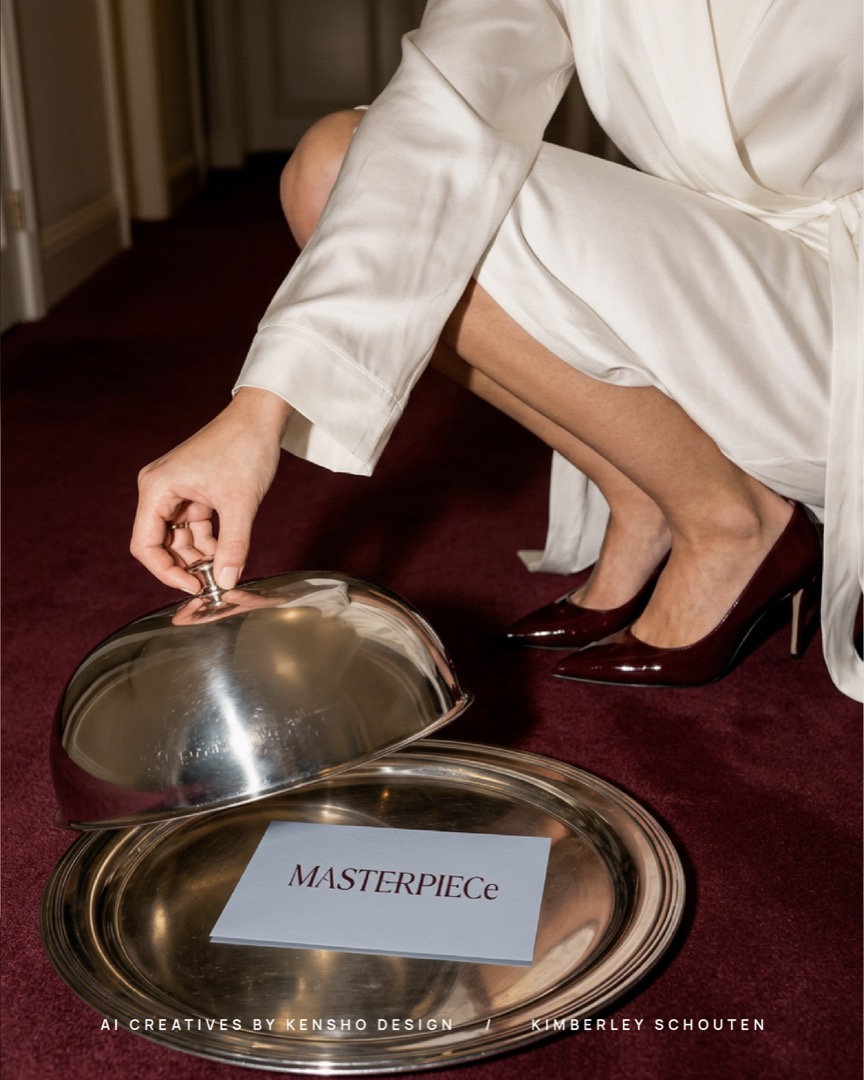
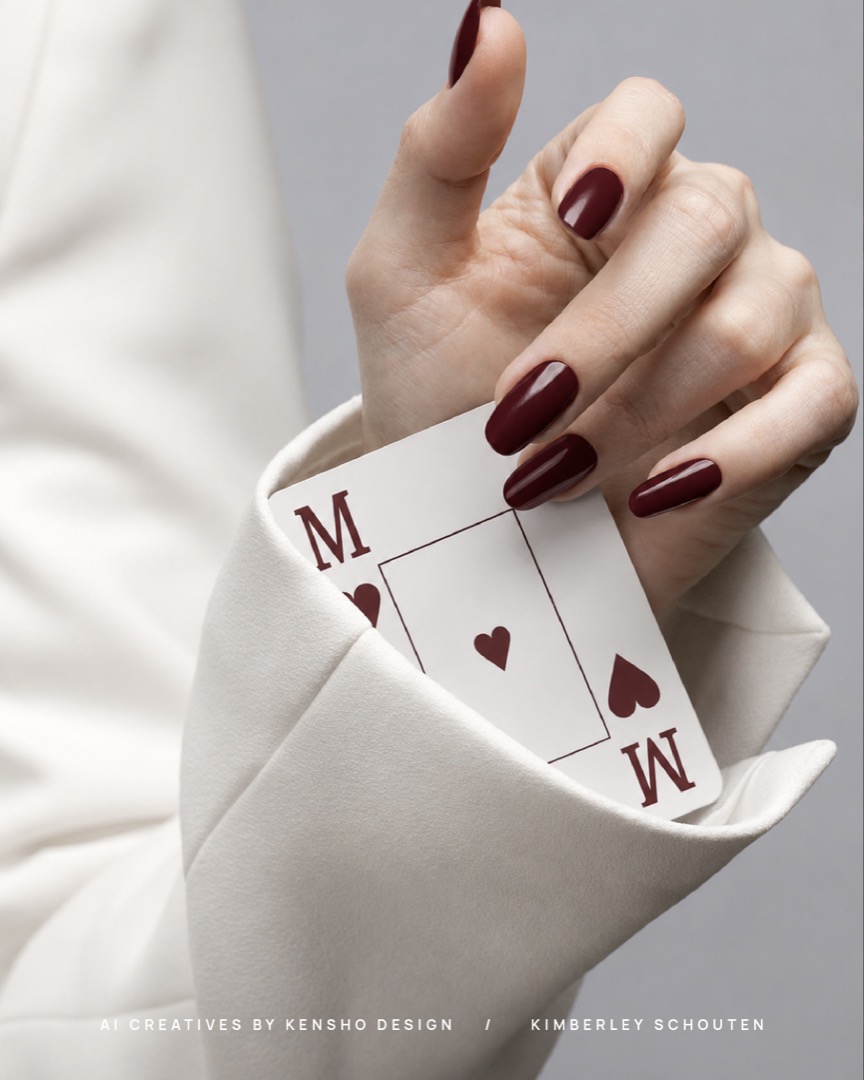
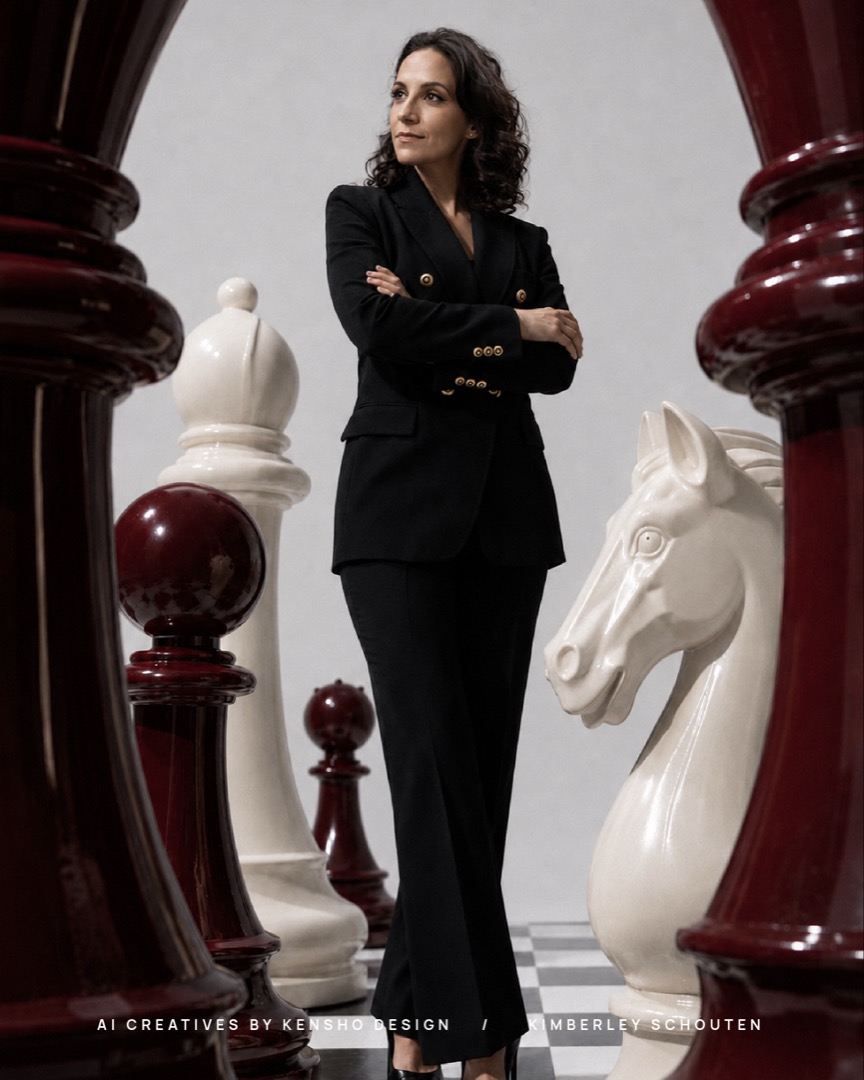
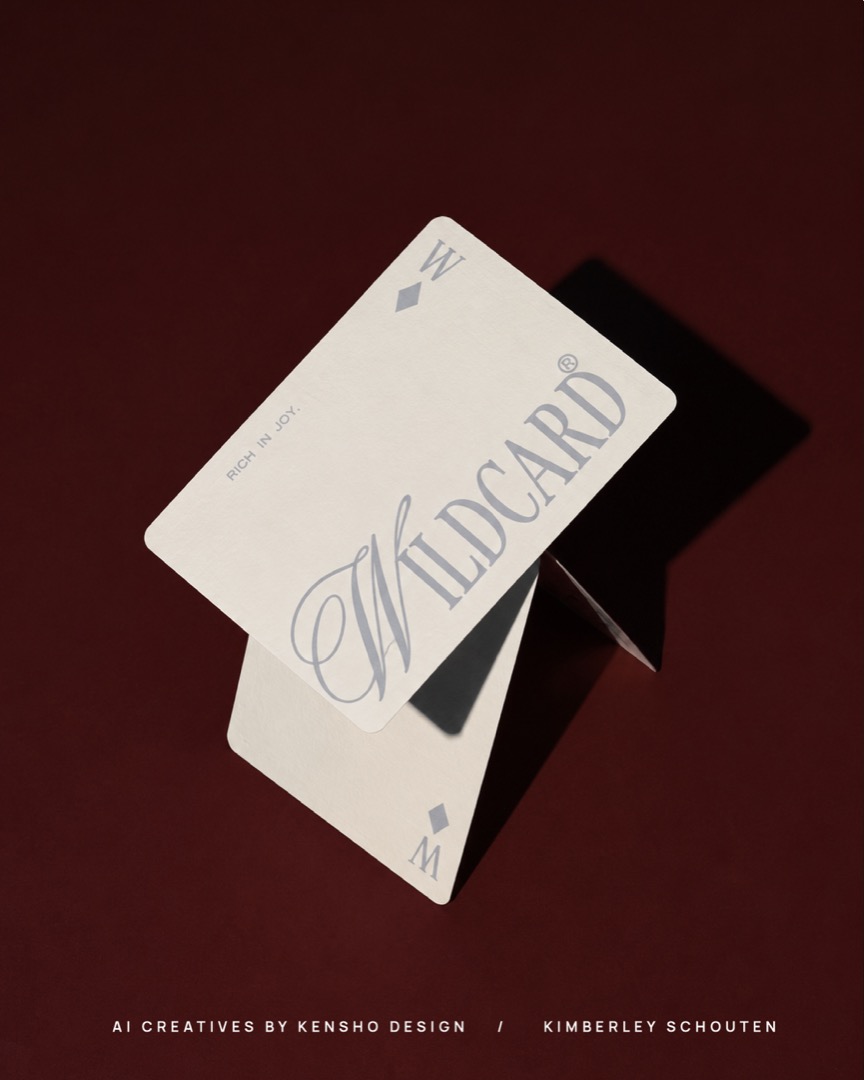
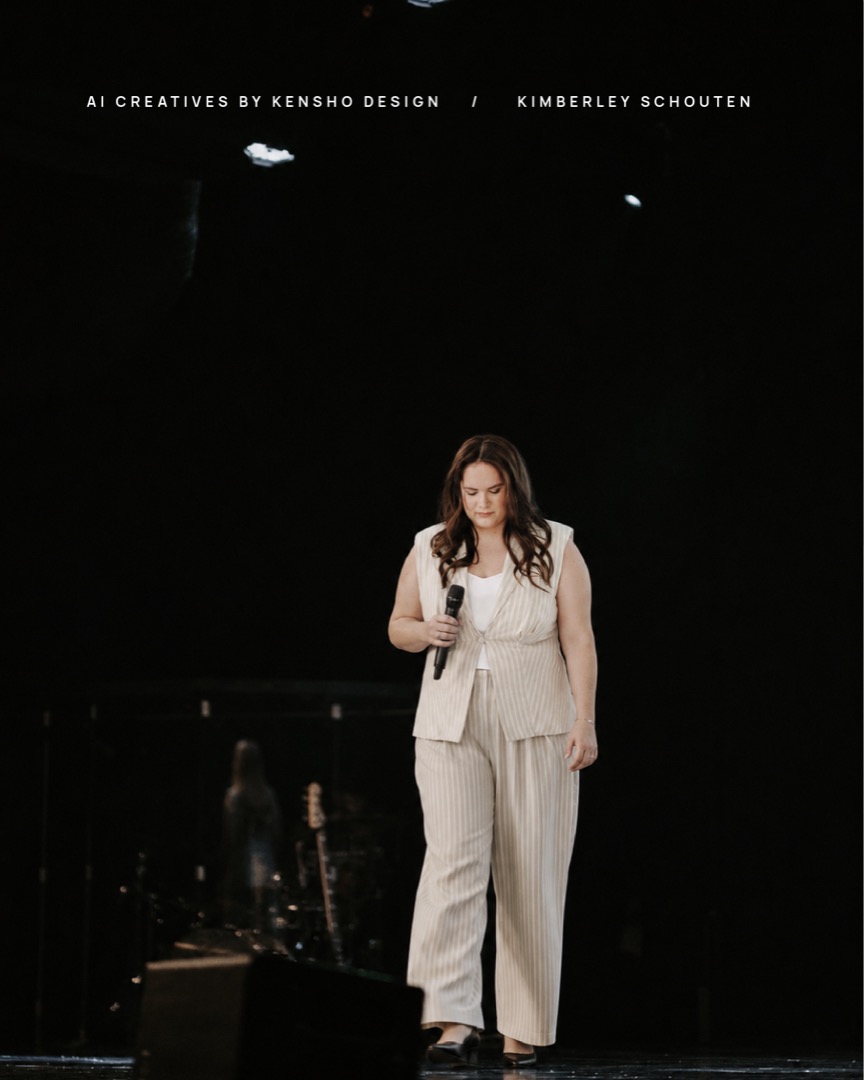
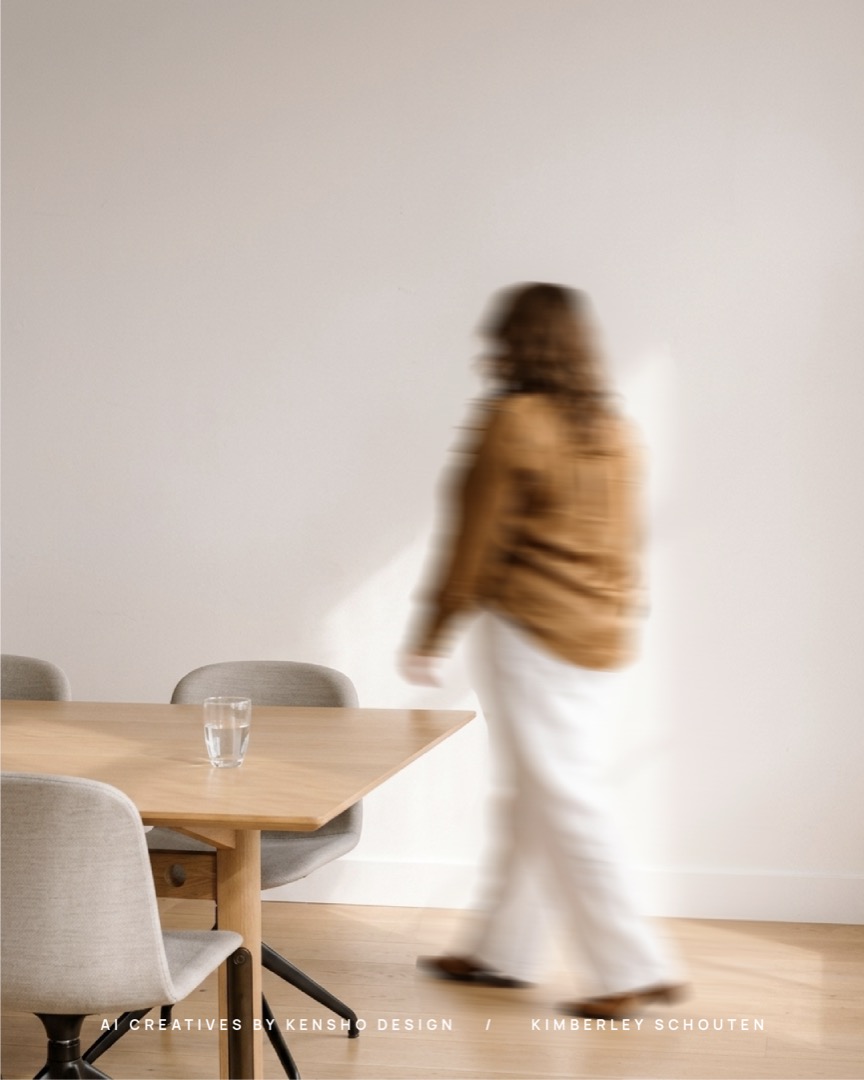
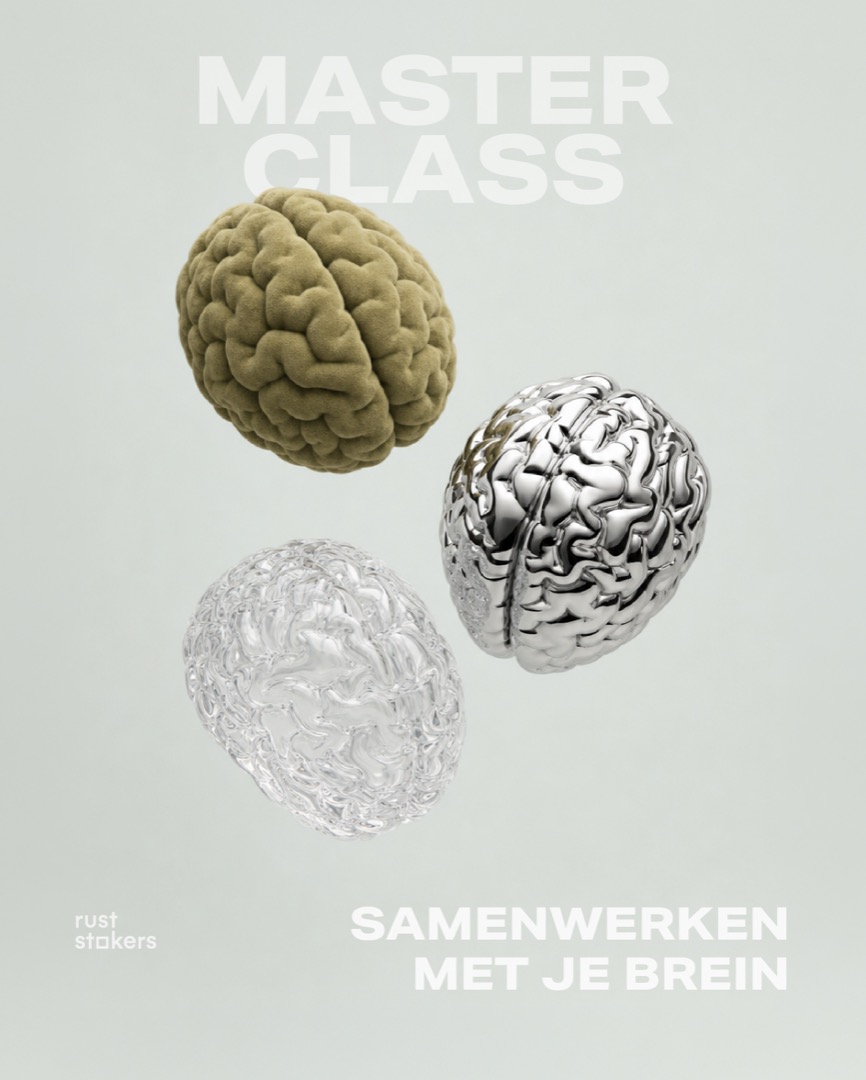
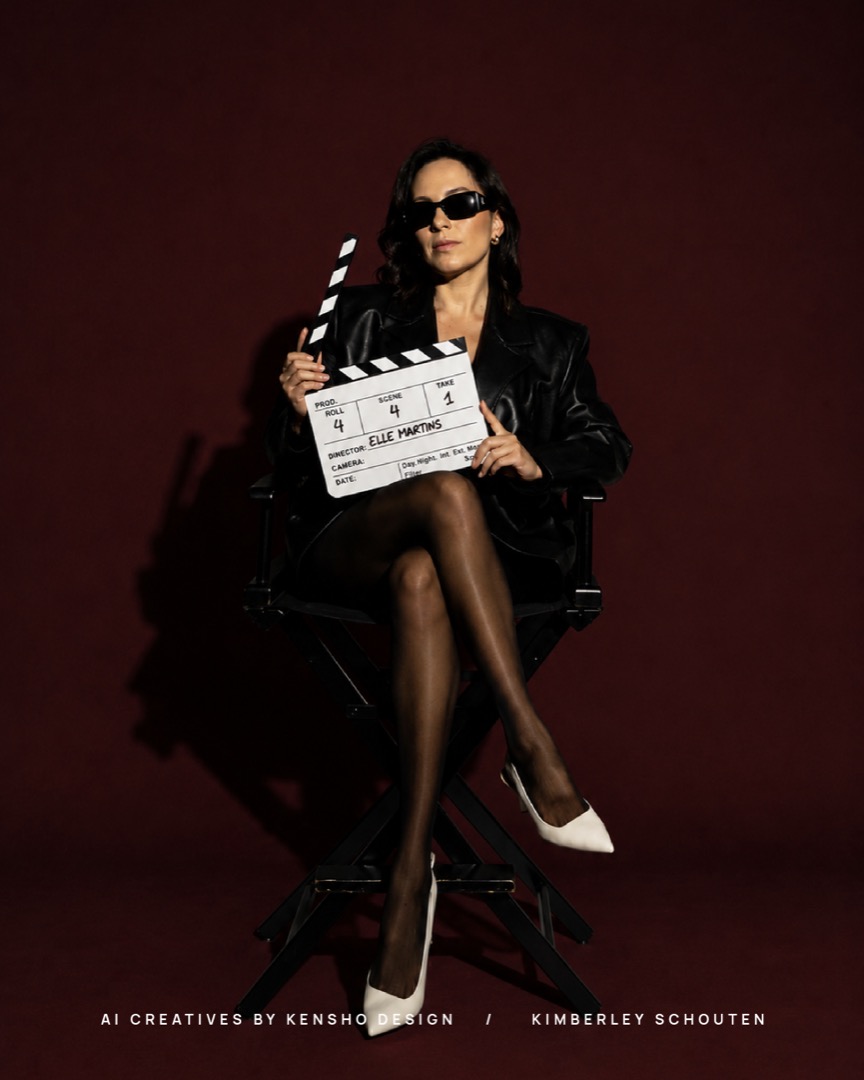
”Like a lot of people, my biggest hesitation with using AI images for my socials was that they’d look generic, or worse, obviously AI. Working with Kensho proved it doesn’t have to be that way at all. What sets Kimberley apart is her conceptual and aesthetic thinking. She genuinely understands your brand, its themes, its feeling, and translates that into images that actually fit and are in no way generic. Nothing about her work reads as AI slop or interchangeable stock photography. It’s personal, on-brand, and thoughtfully and conceptually strongly made.
Kimberley created images that showcase exactly what I offer, in my brand’s visual language, without the cost of a shoot or the compromise of stock that you recognise a mile away. If you want AI imagery with an actual eye behind it and understanding of your brand, definitely work with Kensho.”